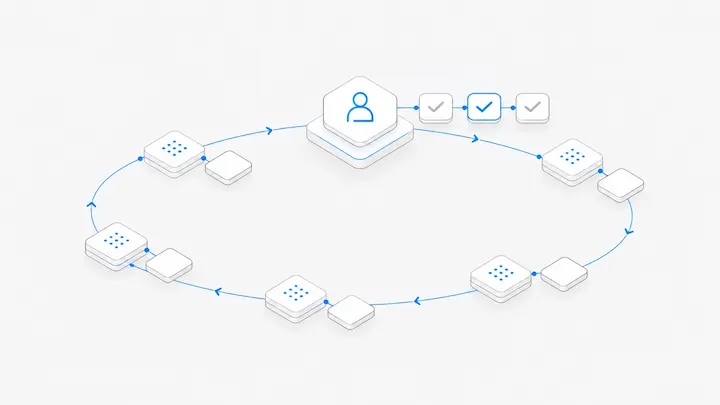
Manus shared how it reorganized around AI: engineers juggling ten to twenty requests, product managers shipping code, people stepping in at key decisions. The habits a small team can copy, and what its tools need to support.
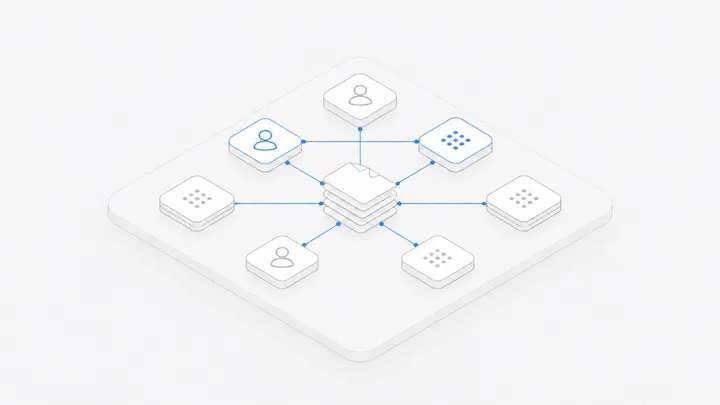
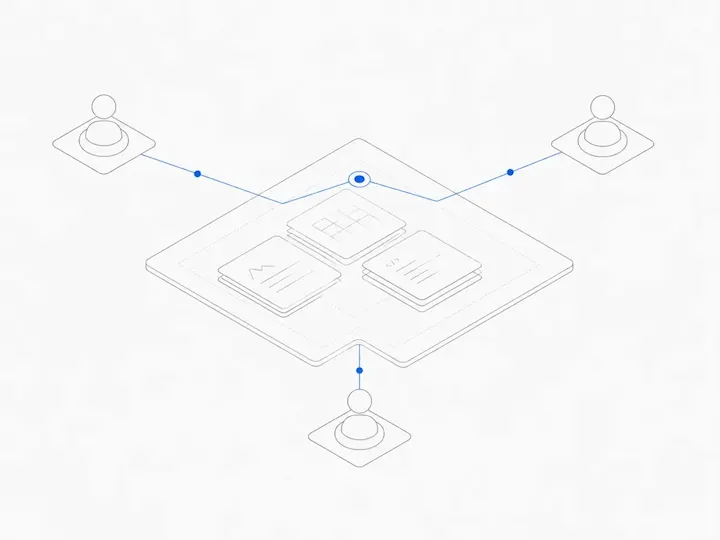
Multiplayer, multi-agent collaboration means several people and several AI agents splitting, continuing, and handing off work in one shared space. What it solves, what it needs, and how to start in Macshop.
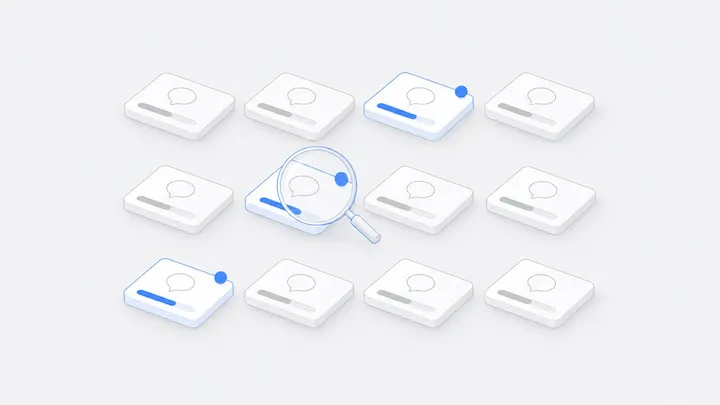
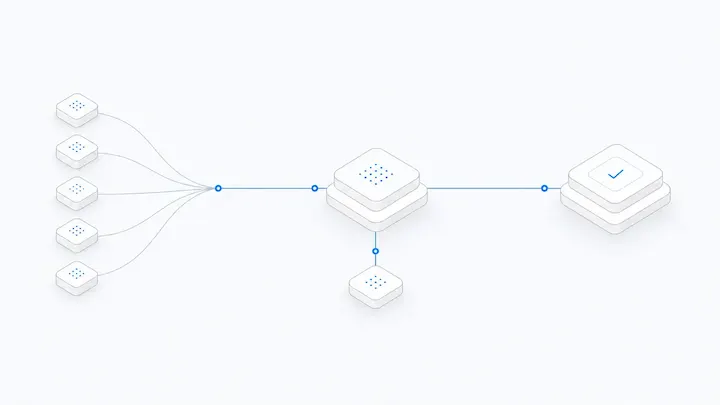
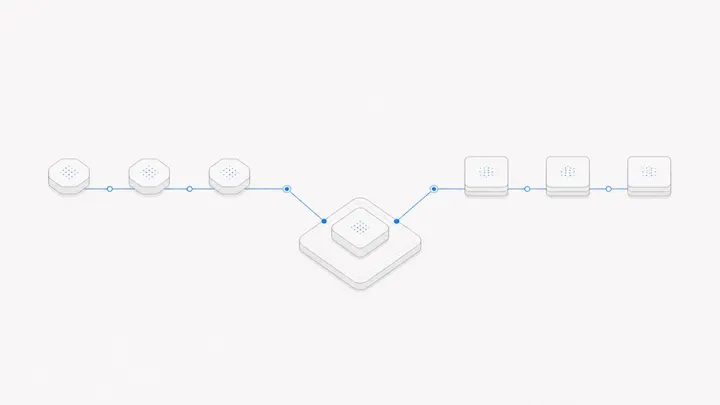
Most people top out at three to five active agent sessions. The usual ways to run Claude Code and Codex in parallel, where each one breaks down, and a setup that holds up past a dozen conversations.
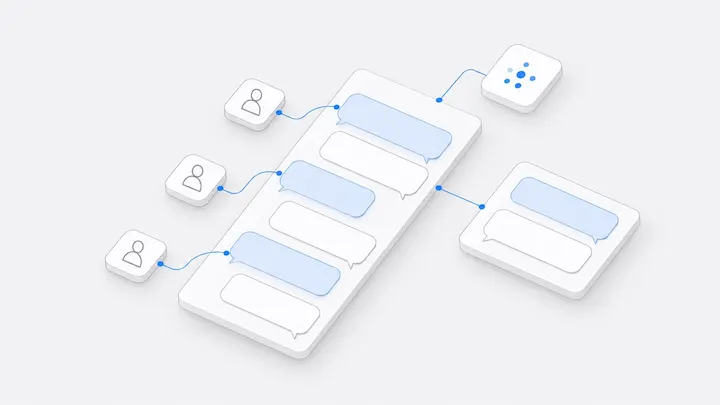
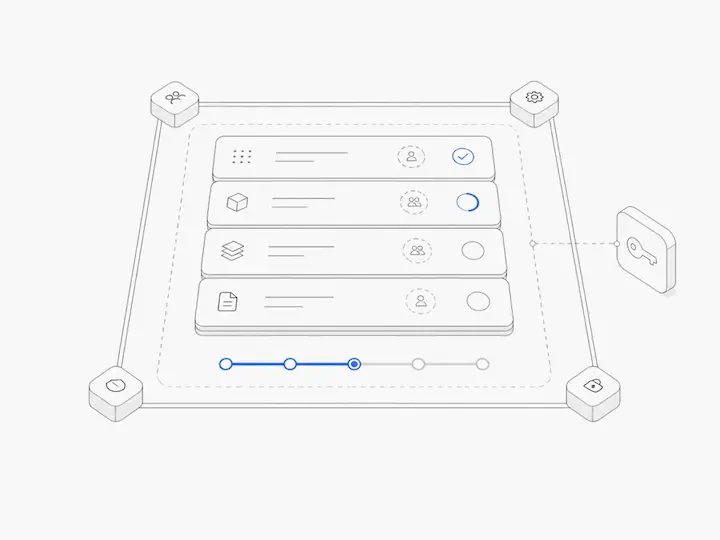
In Macshop, members of a Workspace can keep sending tasks in the same agent conversation. Roles, the shared queue when the agent is busy, Discussion versus tasks, who pays, and how to hand off without overwriting each other.
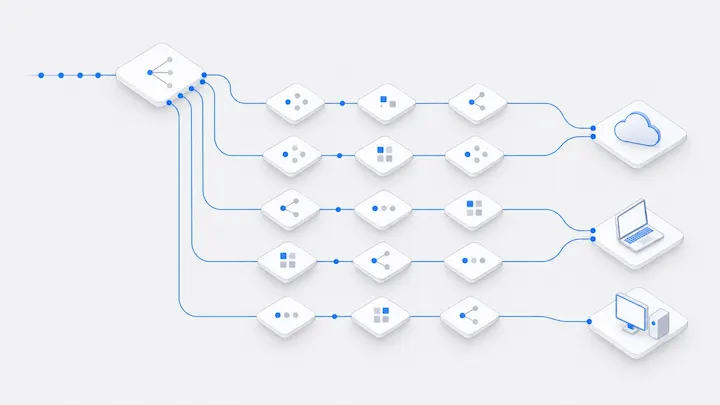
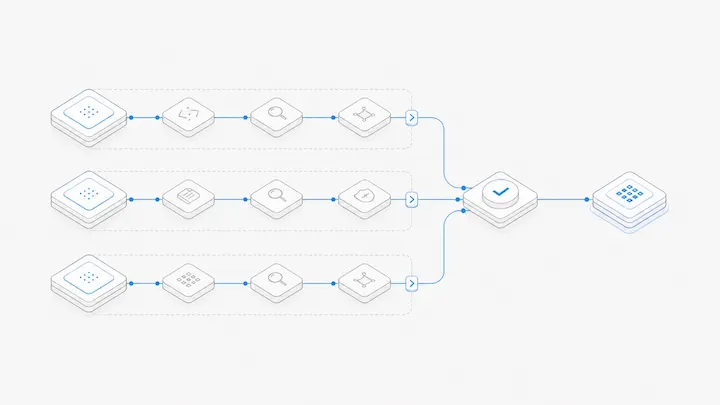
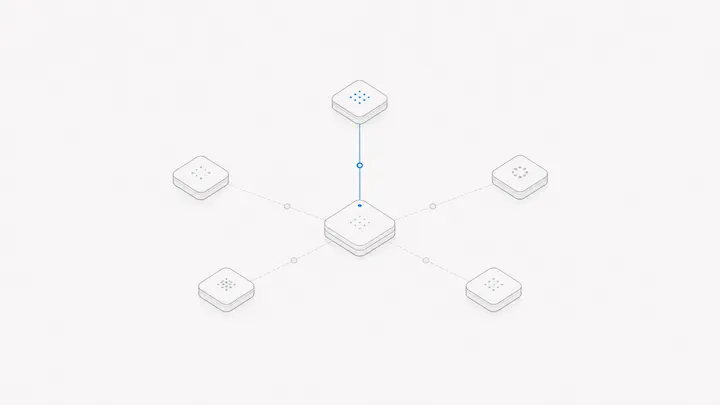
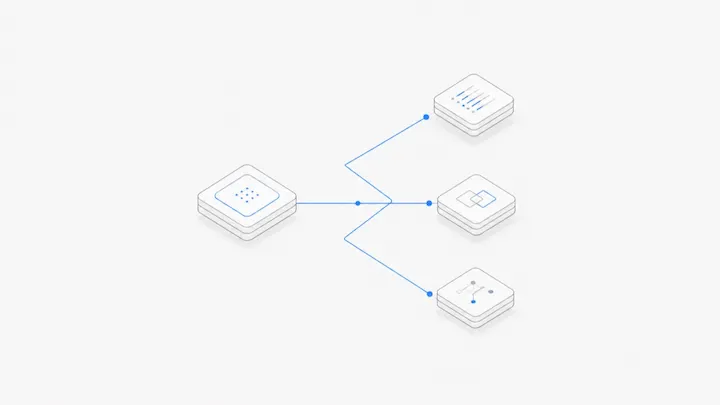
The DeepSeek Harness team's Super-agent design pairs a Router with parallel Workers, event triggers, and bring-your-own-machine execution to get past the limits of human attention. Its five modules, compared with what Macshop does today.
Separate portfolio website creation, hosting and future edits. Use a quote checklist to compare offers without confusing a one-time fee with total cost.
Diagnose Claude Code 403 errors by where they occur, your account and provider route, and the permissions involved—without treating every failure as a ban.
Sign in to Claude Code over SSH using your local browser, complete the remote terminal prompt, and check the account and computer before starting work.
Get a local screenshot into remote Claude Code: save the image, transfer it over SSH, verify its remote path, and distinguish file input from clipboard sync.
Identify a Claude identity-verification request, separate it from login and payment checks, and choose the right next step without risking your documents.
Share a local Claude Code conversation with your team through read-only sync. Check access, image sharing, and the difference between viewing and continuing work.
Remote Control, SSH, or remote desktop for Claude Code? Choose by conversation access, terminal work, GUI checks, device support, and host availability.
Have Codex review Claude Code's changes. Compare the official and Macshop plugin paths, choose one or several reviewers, and verify findings before editing.
Moving Claude Code work to another computer? Separate project files, CLAUDE.md, machine settings, credentials, and session history before switching to a remote Mac.
Compare a remote Mac for Claude Code by total cost, memory, storage, access, and included services. See what a US Mac rental does and does not provide.
Compare Claude Code Desktop, CLI, and Web by execution environment and review workflow. Check project handoff, billing, permissions, and cloud assumptions.
Will Claude Code keep running when you close your laptop? Identify the execution host, test continuity safely, and choose a suitable remote environment.
Continue a Claude Code session from another computer or phone, check account eligibility, and distinguish conversation control from remote desktop access.
Review Claude Haiku 5.5 prompt-length pricing, worked API cost examples, and a coding-agent evaluation plan before choosing it for a supported workflow.
Use Remote Screen with a connected Mac. Choose Mac-app or browser access, check Workspace permissions, and separate native-app features from browser controls.
No official Claude Fable 5.5 release date was found as of October 8, 2026. Check confirmed models, avoid misleading access claims, and prepare a useful upgrade trial.
Separate Codex latency, usage limits, and failed work. Decide when Claude Code deserves a trial, preserve your project, and compare time to an accepted fix.
Claude is gaining web share, but that does not measure Codex usage or OpenAI revenue. Separate the evidence from the claims before changing your AI workflow.
Reduce avoidable Codex quota usage by controlling task scope, context, tools, retries, and handoffs—without discarding useful work or bypassing limits.
Diagnose faster Astra quota consumption by separating allowance, model rates, cache reads and writes, repeated calls, and the cost of getting one accepted result.
Build a small, repeatable evaluation from real coding work. Control the starting state, grade accepted results, and distinguish a bad run from a useful regression signal.
Turn OpenAI's Astra guidance into a practical instruction audit. Copy a prompt that finds excessive reading, repeated checks, conflicts, and unnecessary pauses.
OpenAI has acknowledged several Astra quality issues. Here is what those fixes establish, what the Luna routing claims still lack, and how to investigate your own failures.
One subscriber's coding tests put four flagship plans at 17–40 times their monthly price in API-equivalent usage. Here is what those estimates mean for your budget.
When an agent hits limits or becomes unreliable, preserve the files, verified progress, and next task. A practical handoff workflow for changing models or harnesses.
A model picker, a request log, and a provider response prove different things. Learn how to investigate suspected model substitution and write a useful routing report.
Understand where Cursor Self-Hosted Machines run tools, what still reaches Cursor's cloud, and when to choose your own worker over managed Cloud Agents.
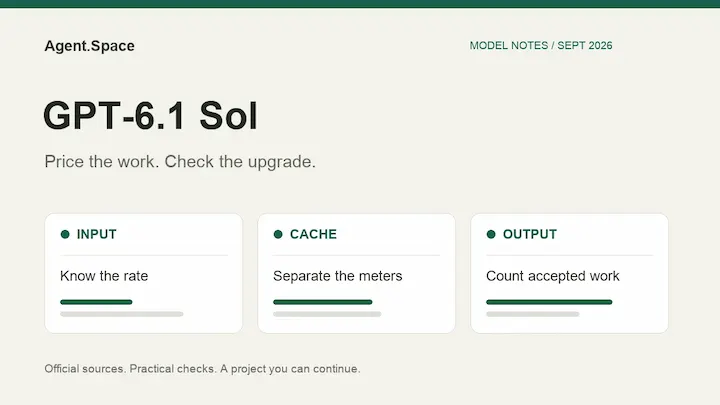
Evaluate GPT-6.1 Sol, Luna, and Claude 5.5 alongside your current coding model using task fit, tool compatibility, context, and cost per accepted result.
Compare a Claude Code subscription, Console/API billing, and a managed agent workspace by credentials, cost owner, runtime, persistence, and collaboration.
Compare a Codex subscription, API-key billing, and a managed workspace by access, bill owner, runtime, persistence, collaboration, and native features.
Evaluate DeepSeek Harness safely: record the exact pre-release, protect Session data, isolate access, inspect the trajectory, and decide whether to adopt.
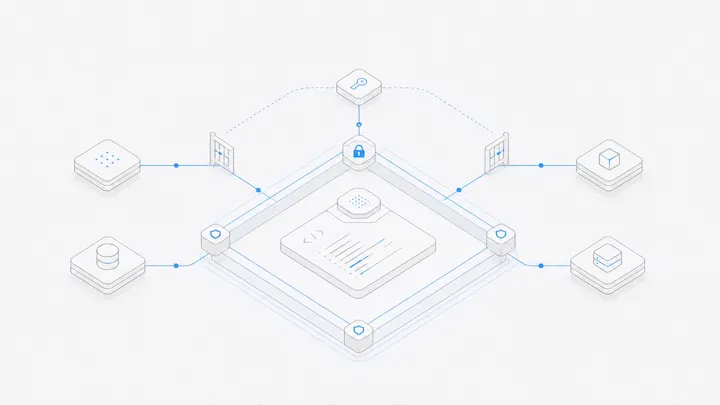
Evaluate coding-agent security across runtime isolation, member roles, API keys, project files, exports, and the controls that remain your responsibility.
Compare OpenRouter coding models by live price, tool support, context, throughput, and cost per accepted task—without relying on a stale best-model ranking.
Learn how an AI model differs from an agent harness, why the same model can behave differently across coding agents, and which layer to change when work fails.